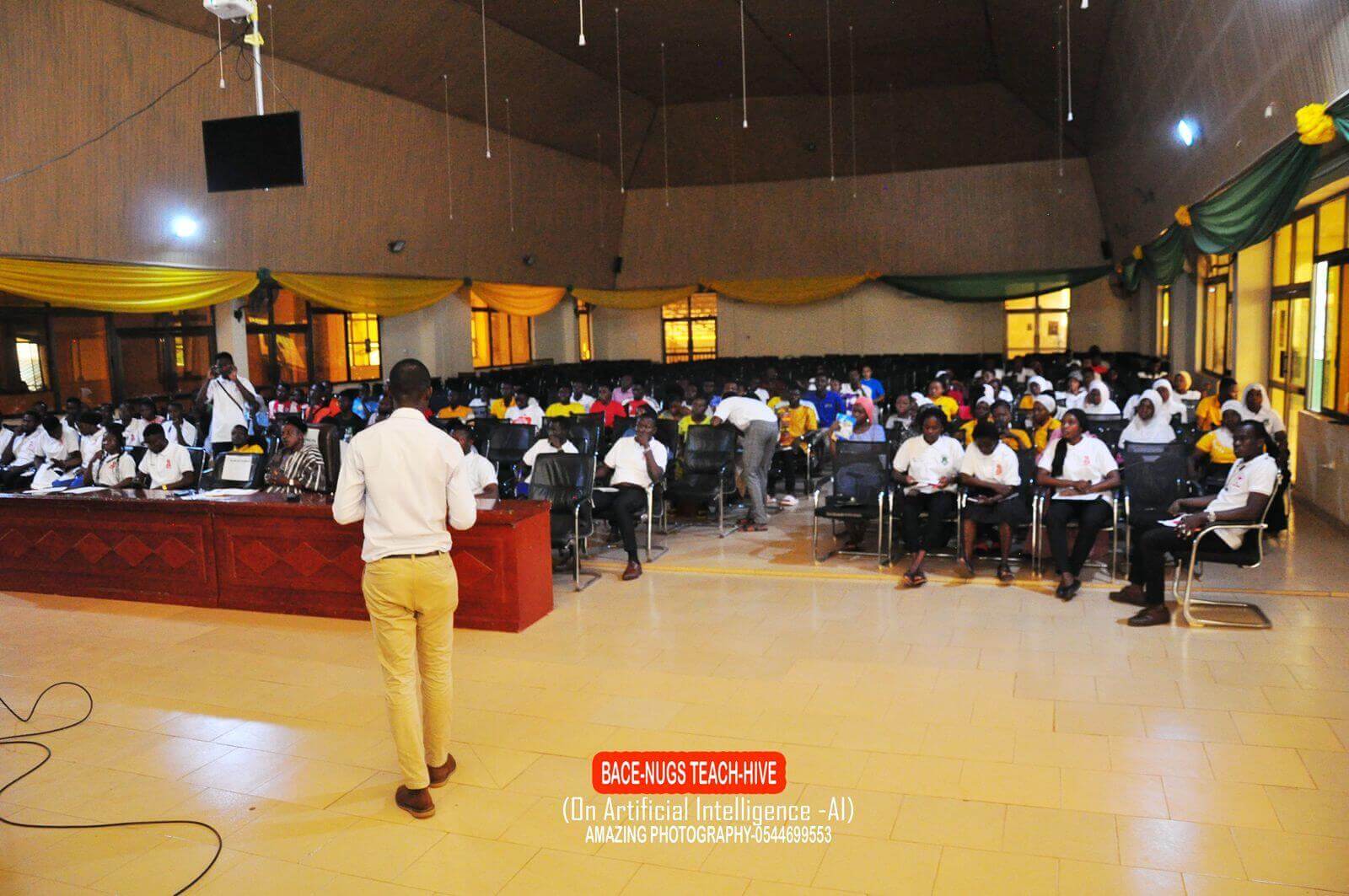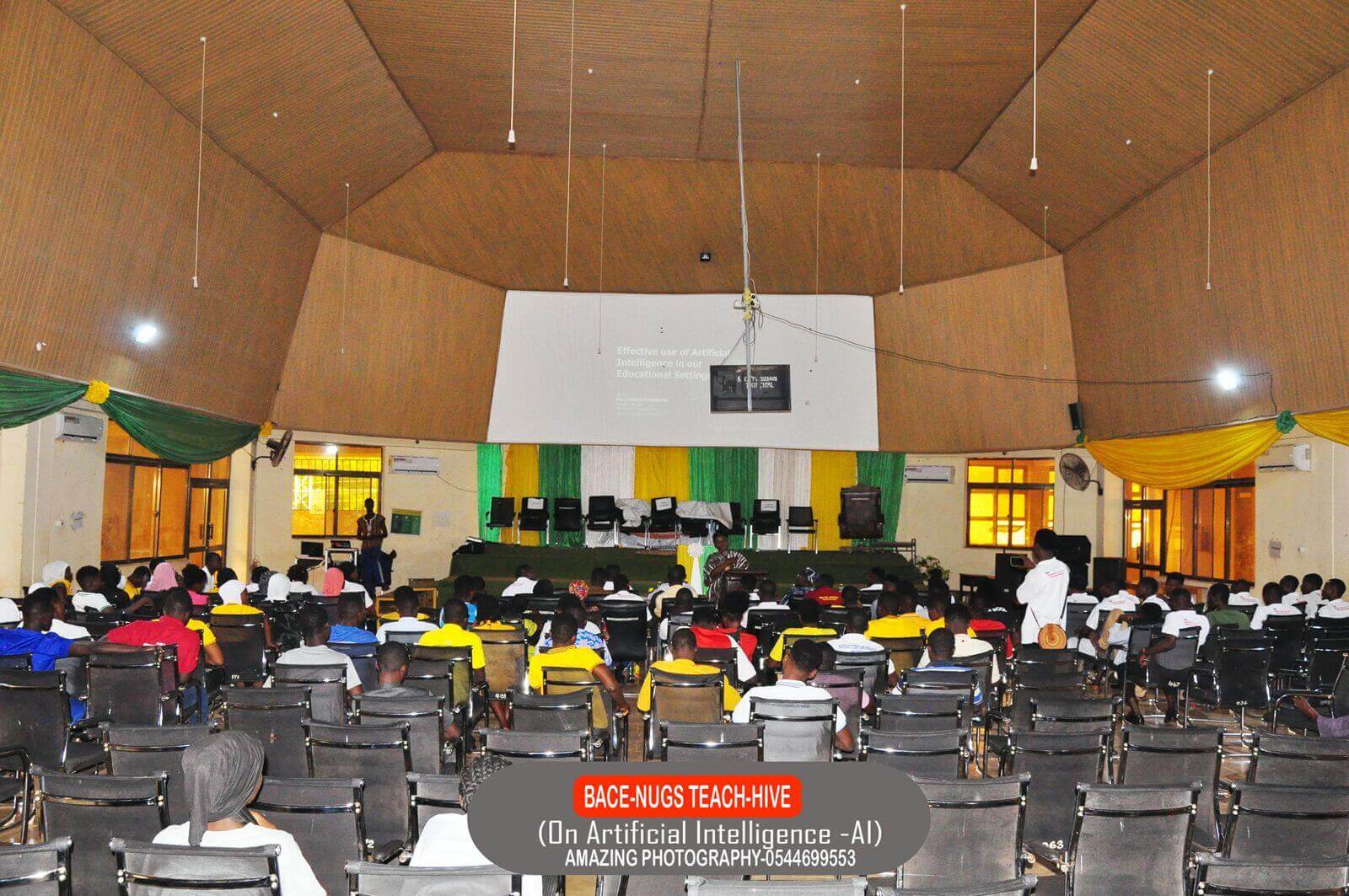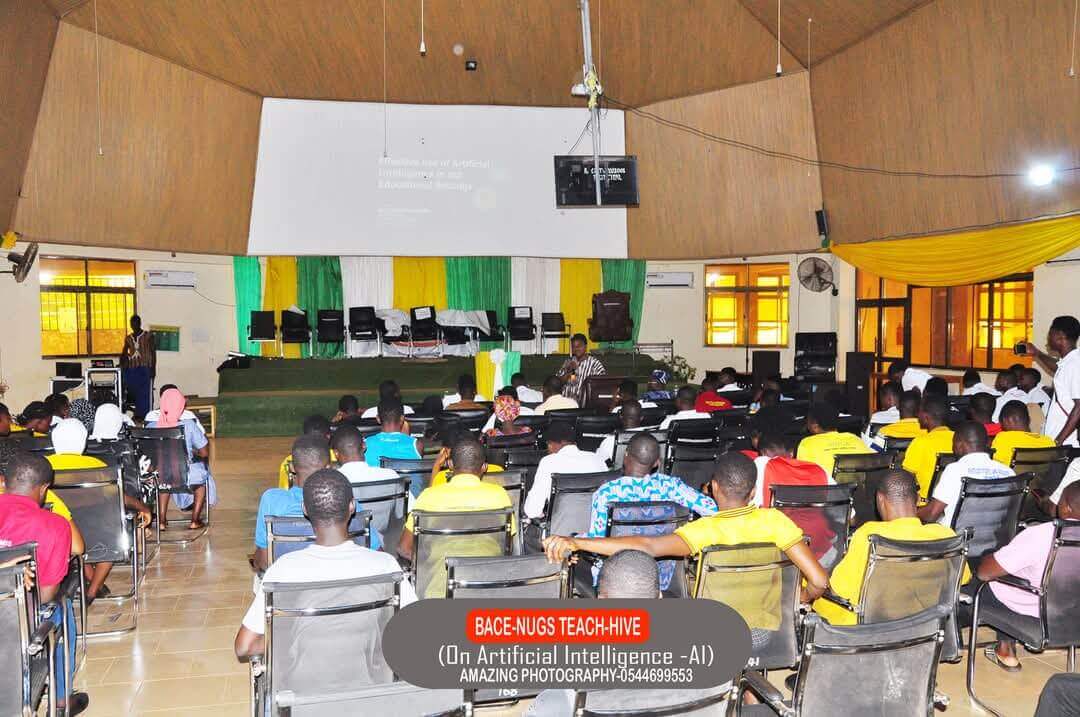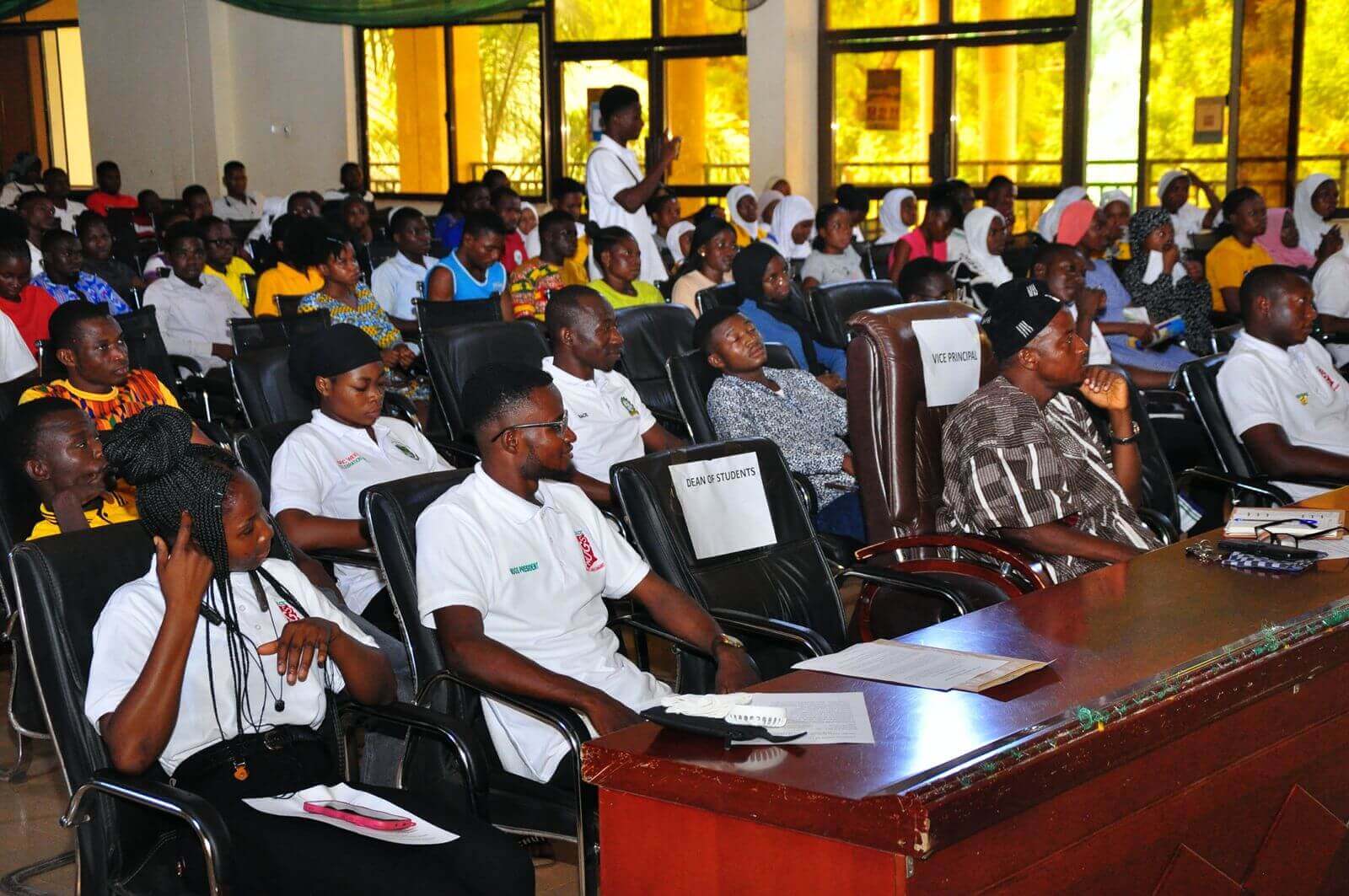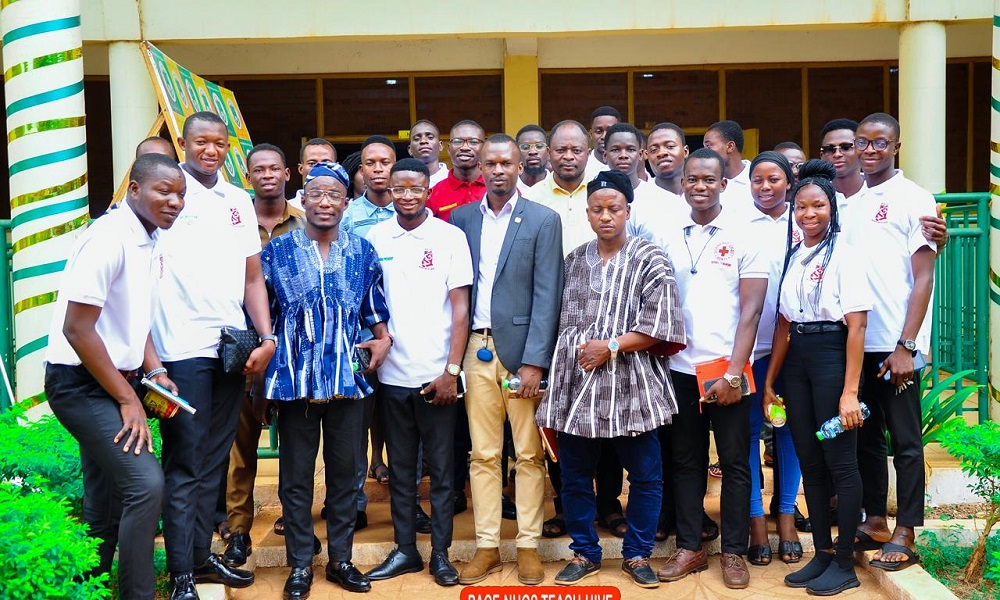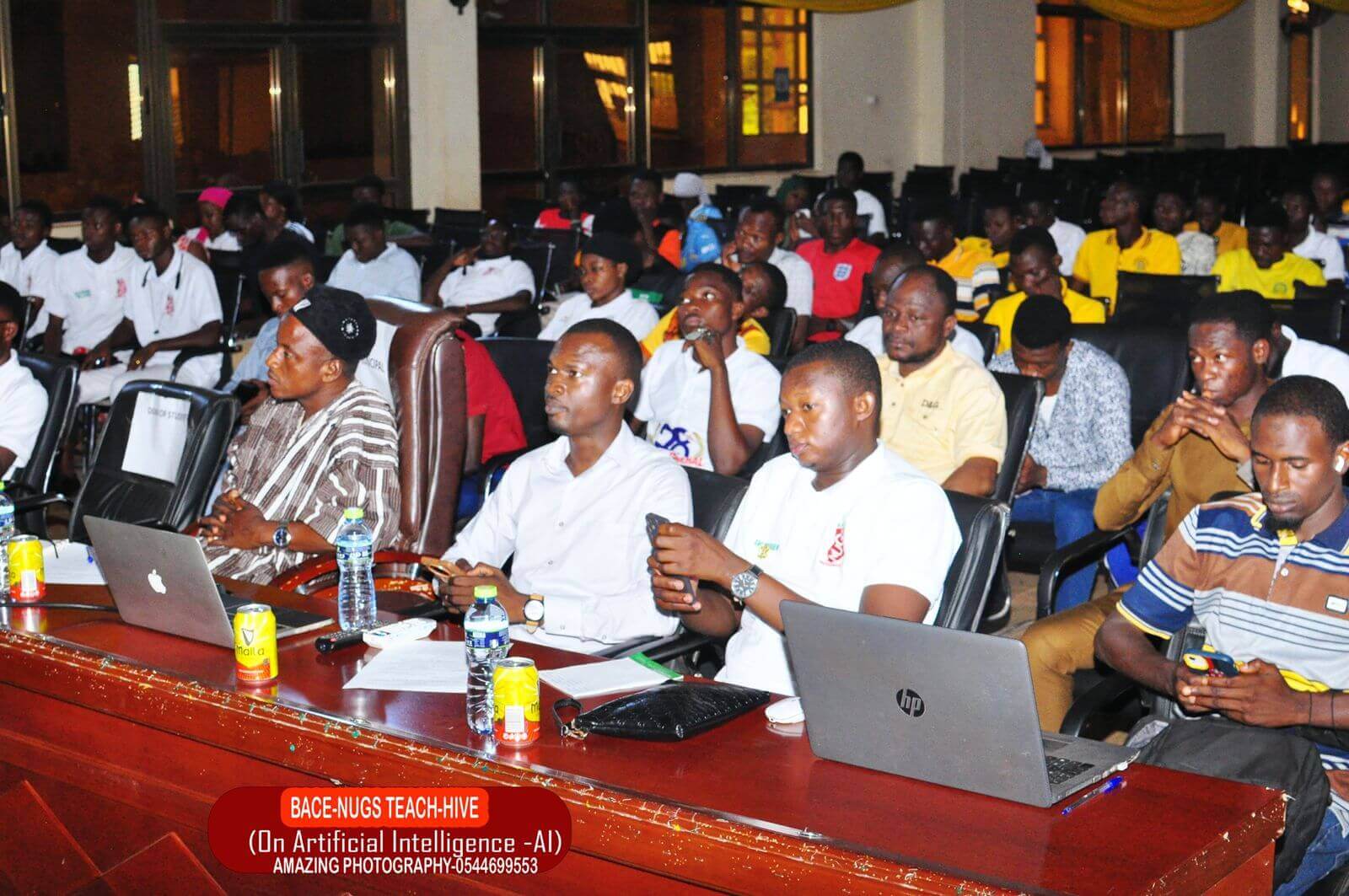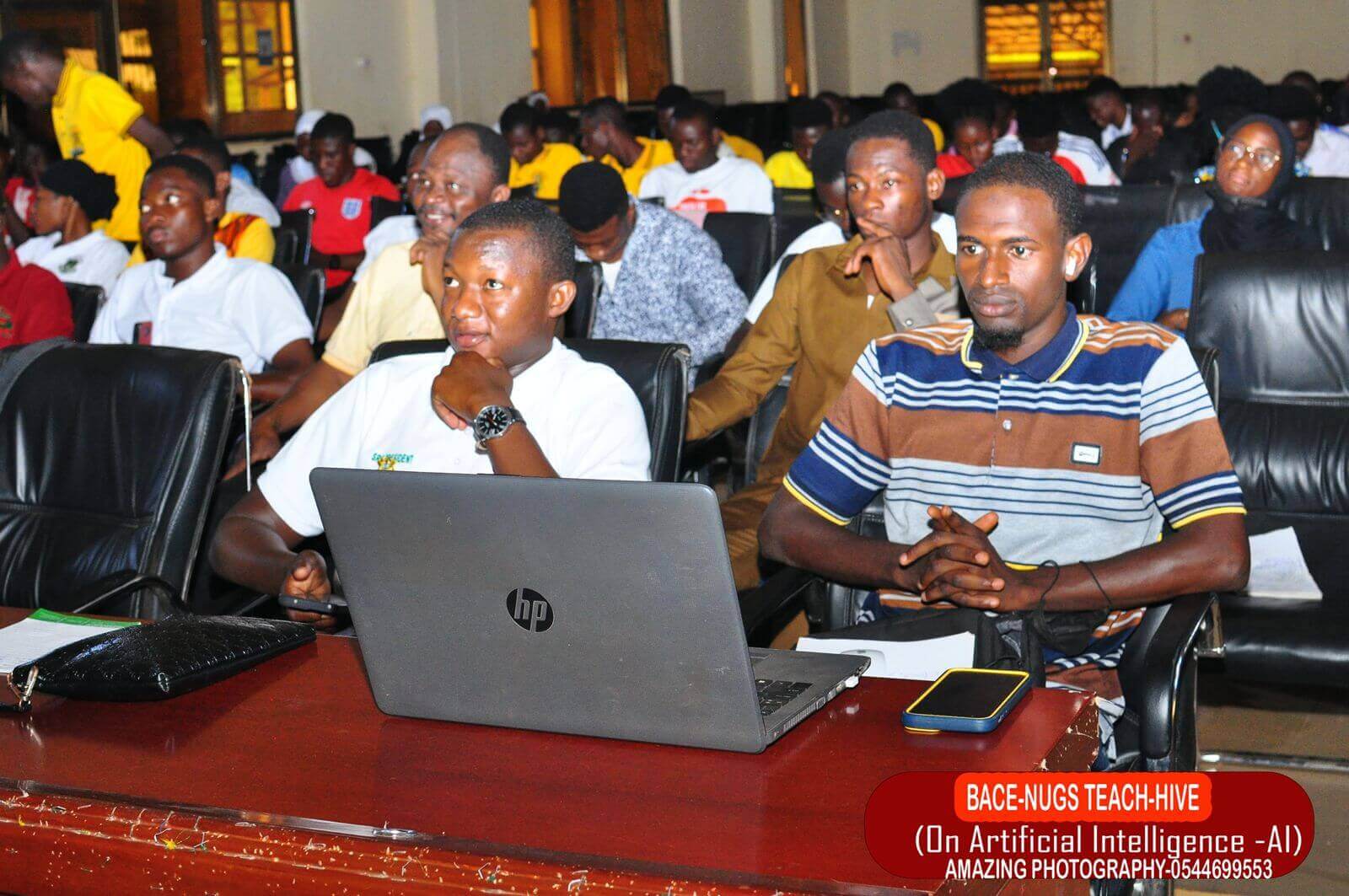
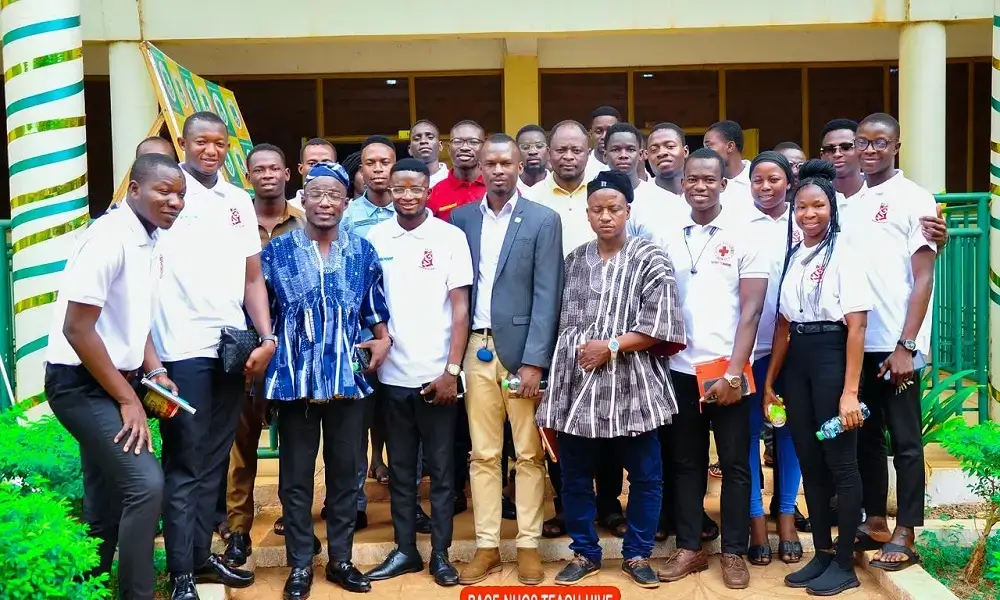
The National Union of Ghana Students (NUGS) at Bagabaga College of Education (BACE), under the leadership of its local president, Kombat Solomon Numanteebia, has partnered with the Generative Artificial Intelligence for Education and Research in Africa (GenAI-ERA) to train students on the ethical and responsible use of AI in their studies and teaching practices. The event, themed “The Effective Use of Artificial Intelligence in Our Educational Settings,” took place on Saturday, March 8, 2025, at the college’s auditorium.
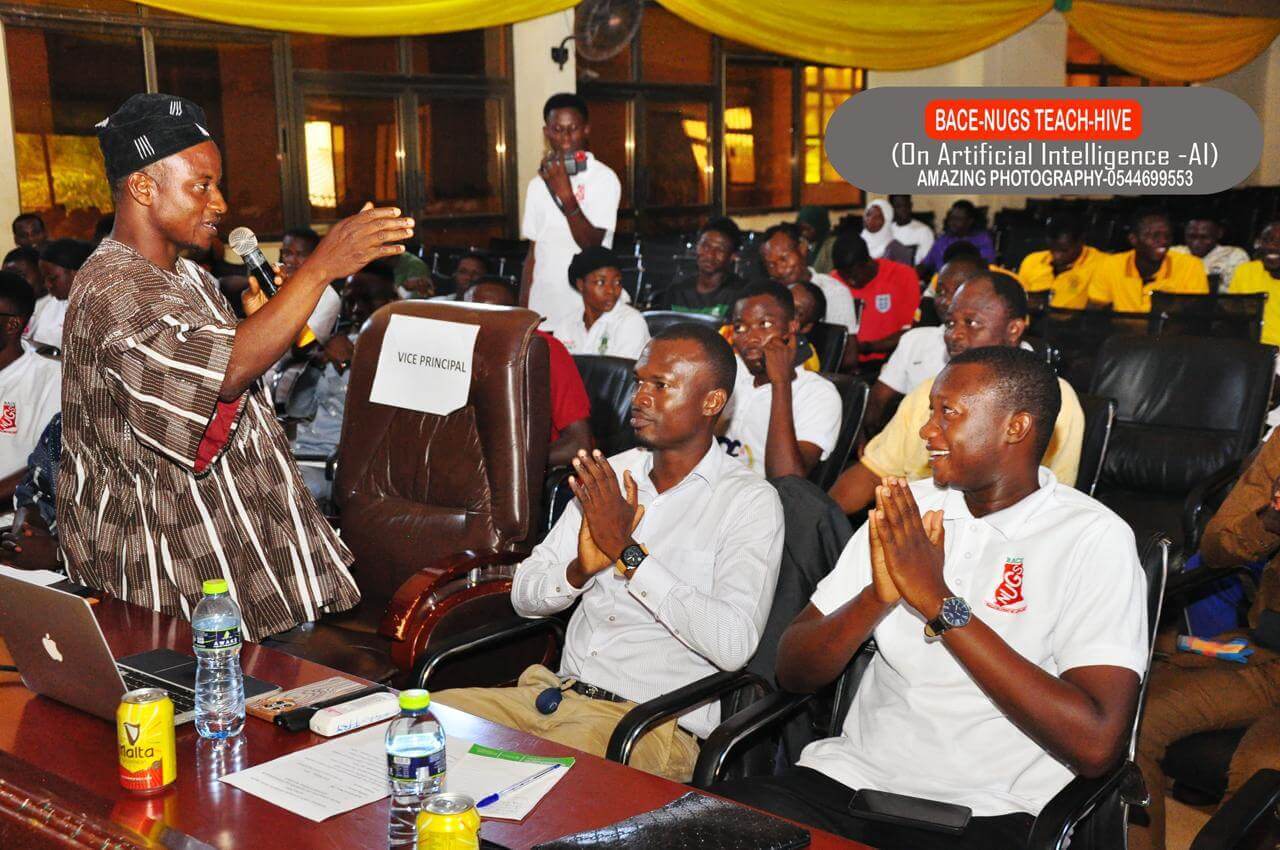
The training program attracted an audience of approximately 250 students, alongside a section of the college’s lecturers. The Vice Principal of the College, Dr. Mumuni Zakaria Fusheini, chaired the event and emphasized the importance of equipping students with the necessary skills to leverage AI effectively in their education and future teaching careers He applauded the NUGS-BACE and GenAI-ERA for this maiden initiative, one of its kind in Ghana if not Africa.
This initiative aligns with a broader goal of GenAI-ERA (Link) in expanding Generative AI (GenAI) literacy and resources to all educators, including teacher educators, in-service teachers, and pre-service teachers. GenAI-ERA is a non-profit organization founded by Matthew Nyaaba, a GenAI researcher at the AI4STEM in Education (Link), University of Georgia, USA and a researcher of one of the United States groundbreaking grant award projects, National Center on Generative AI for Uplifting STEM+C Education Center. The GenAI-ERA was inspired by these centers. It has an expanding Co-founders in three colleges of education in Ghana (Bagabaga College of Education, St. Joseph College of Education and Gambaga College of Education), and is currently in the discussion stage with co-founders in other African countries such as Kenya, Nigeria, South Sudan, and South Africa. The focus of GenAI is to promote the ethical and responsible use of GenAI in teaching, learning, and research, ensuring that educators and students are well-equipped educators with AI literacy to integrate AI tools effectively without compromising the core learning competencies.
The key objectives of GenAI-ERA are to establish free GenAI clubs and hubs for educators at different levels and to provide hands-on GenAI training, discussions, and ethical AI learning experiences to enhance AI literacy in educational settings. Currently, GenAI-ERA has GenAI tools that contextualize OpenAI for learning and research situated within UNESCO AI goals for teachers and students, established GenAI clubs for preservice teachers in some colleges of education in Ghana, organized attended training sessions for educators, including teacher educators, students, and administrators including those from Ghana, USA and Tanzania, etc. GenAI- have conducted several studies on GenAI including empirical studies
The keynote speaker, Mr. Macharious Nabang, a lecturer and co-founder of GenAI-ERA, introduced participants to the organization’s mission of transforming education and research in Africa through GenAI. He also shared insights from studies conducted by the organization and highlighted some of its innovative GenAI models within the OpenAI platform, including ActionResearchAI (Link ) which can guide researchers through the various chapters and sections of action research. This tool aimed at equipping pre-service teachers with valuable skills in action research and reducing the stress of writing innovative research which is currently missing in most studies full of grandfather and grandmothers. He also took them through the next tool Culturally Responsive Lesson Planner (Link) which also assists teachers in designing lesson plans with emphasis on local examples, and the 21st Century Smart Learning Buddy (Link ) which is purposely designed for Ghana’s Initial Teacher Education Curriculum and automatically assist pre-service teachers and lecturers to effectively implement the goals of all the subjects of the curriculum.
During his presentation, Mr. Nabang demonstrated how these GenAI tools could be integrated into preservice teachers’ studies and teaching methodologies. A focus group discussion was also held, providing students with an opportunity to share their experiences and perspectives on GenAI use in education. He further emphasized the urgent need for sessions like this to embrace and support to avoid the abusive use of GenAI as it is already used by students rather help them to use it ethically and responsibly. Both students and lecturers commended the initiative and called for the continuous organization of such educative programs. They also found the tools to be very supportive as most of them were already using them. They shared interesting concerns about GenAI and how they would like it to be integrated into their curriculum. They further expressed the need to extend similar training sessions to other tertiary institutions across Ghana to ensure wider awareness and adoption of ethical AI practices in education.